The River of Life
It all started with the idea of delivering basic medical supplies to a remote village hospital deep in the Congo jungle.
The Congo River, the world’s second largest water network after the Amazon, spreads throughout the country like the elaborate vascular system in the human body. From the main aorta to the tiniest capillaries, it delivers life to the remotest corners of the otherwise inaccessible equatorial forest. It is, however, much more than just water; it is a source of food, a transportation superhighway, and home to many.
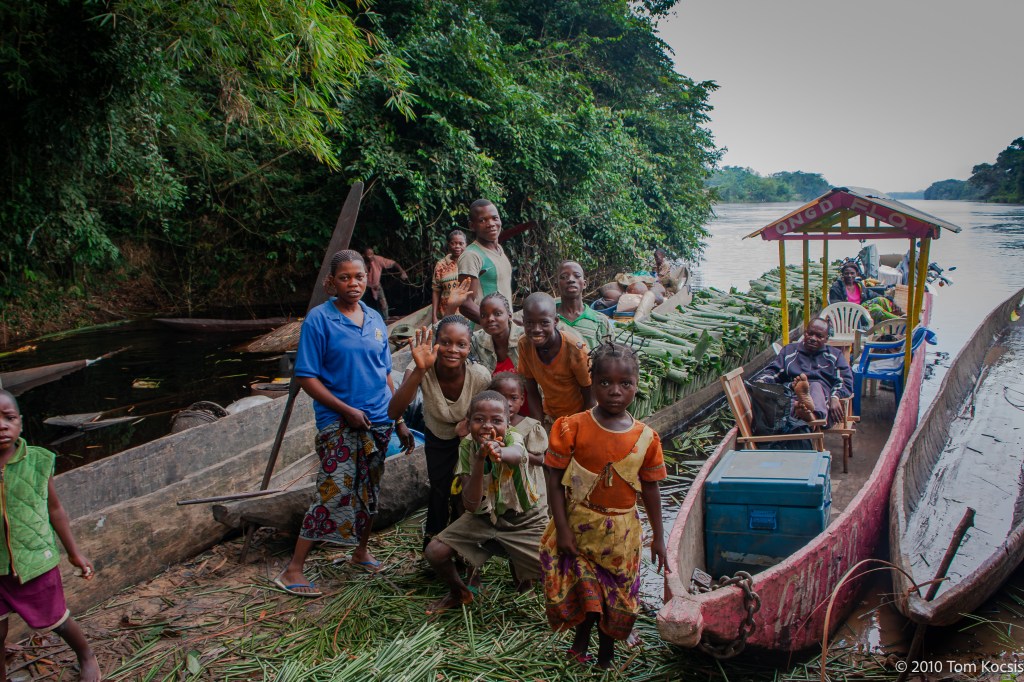
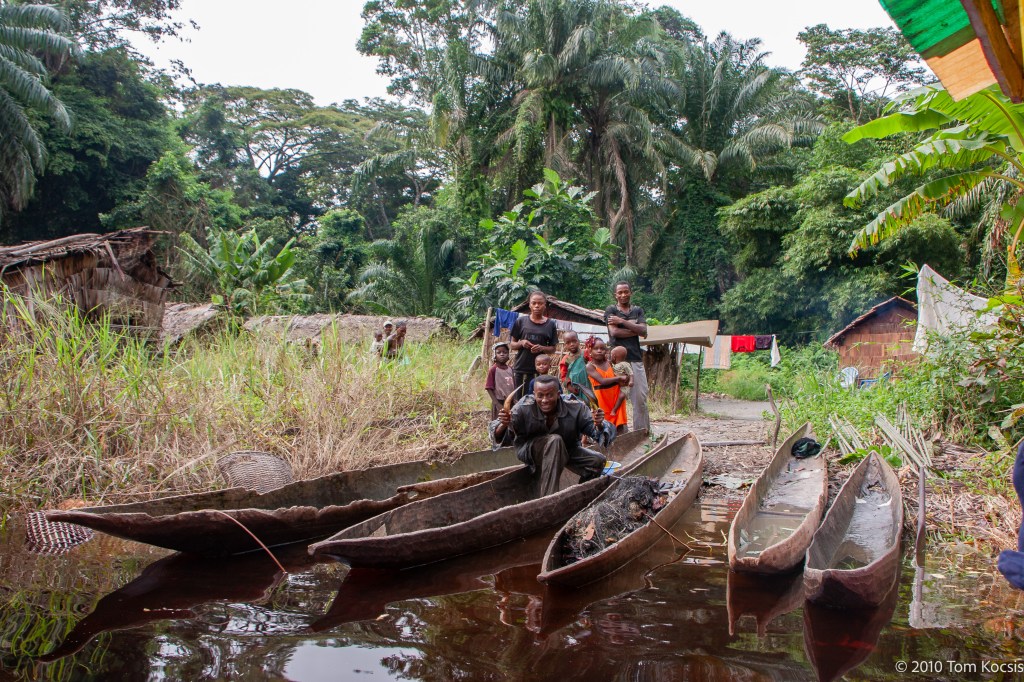
We set out from Mbandaka, the provincial capital on the left bank of the Congo River, where the Equator slices the town neatly in half. The journey to Lotumbe took about 14 hours in a dugout boat, locally called a “pirogue,” powered by a modest single outboard engine, giving a second life to the motor from a crashed moped. The small pink vessel allowed room for only a few plastic chairs to be organized in a single row, with little space to spare. Comfort, clearly, had missed the boat. The aft portion was designated as the kitchen, equipped with a charcoal burner and basic food supplies, including a couple of live chickens. We didn’t even notice the murderous act, but by some miracle, those birds ended up in a halfway decent soup around the middle of the journey.
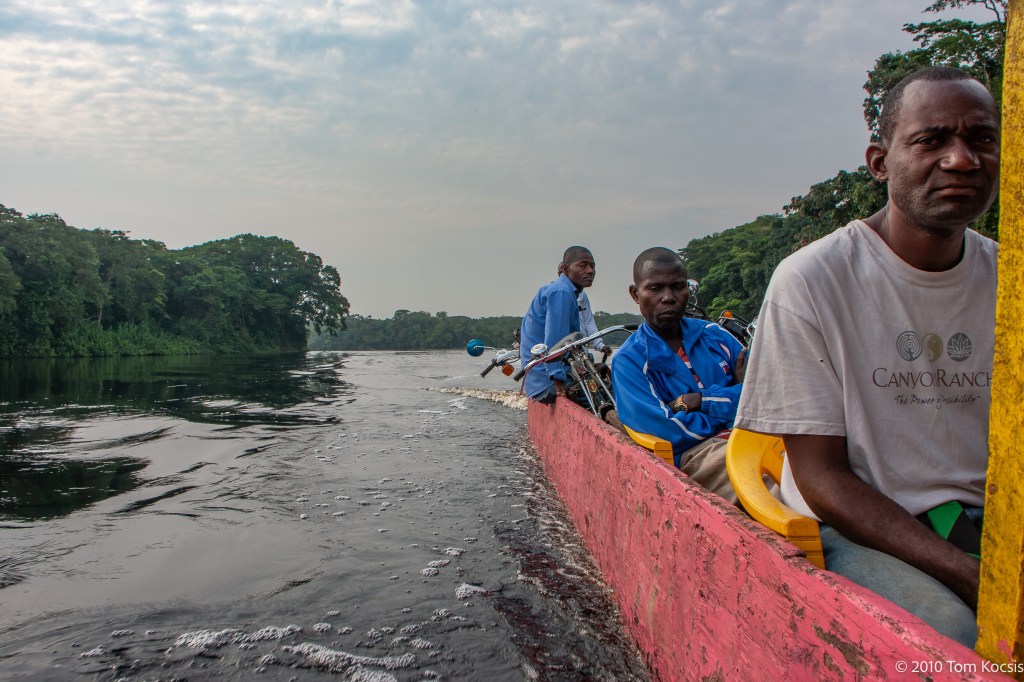
Quietly, as much as the presence of the two-stroke engine permitted, we moved upstream from the main river into one of the tributaries, then onto another and another. We passed smaller boats, as well as entire floating households carrying kids, goats, chickens, and even the family dog, living in makeshift homes secured on top of tremendous logs tied together, traveling downriver, destined for the seaport and faraway places.
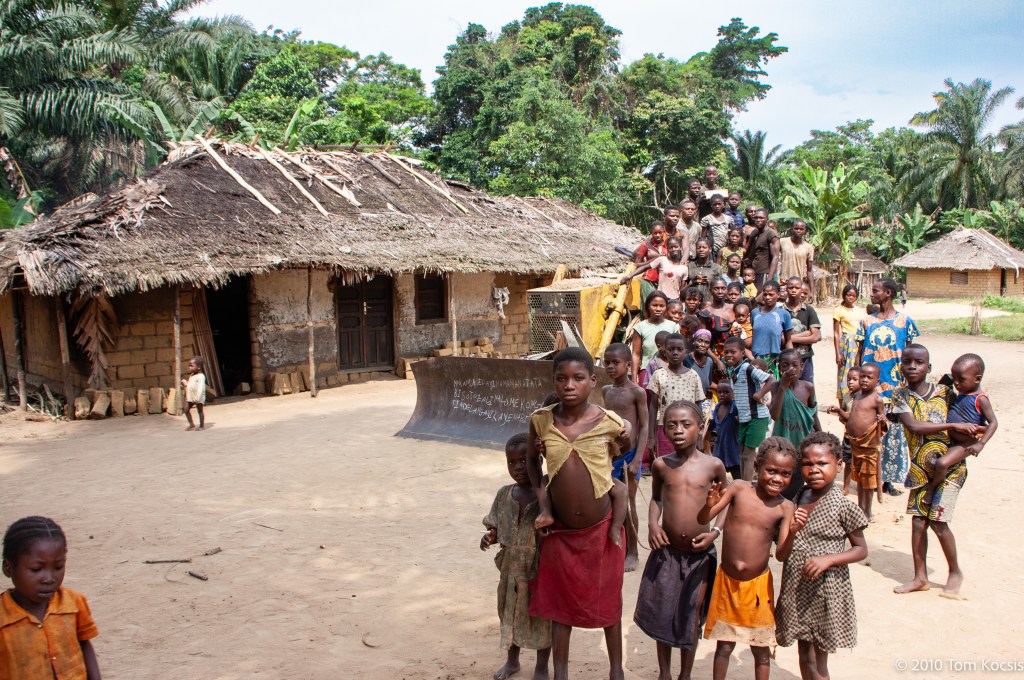
The disembarkation did not simply equate to arrival. It took another hour along a muddy path walking and on the back of motorcycles before we finally reached our village, Lotumbe. The excitement of the community turned into euphoria as we emerged, tired and bleary-eyed. It was hard to tell if it was for the company of the well-respected village doctor and his wife, for the basic yet priceless medical supplies, or for the simple sight of two white-skinned foreigners, a thing perhaps never seen by some of the kids.
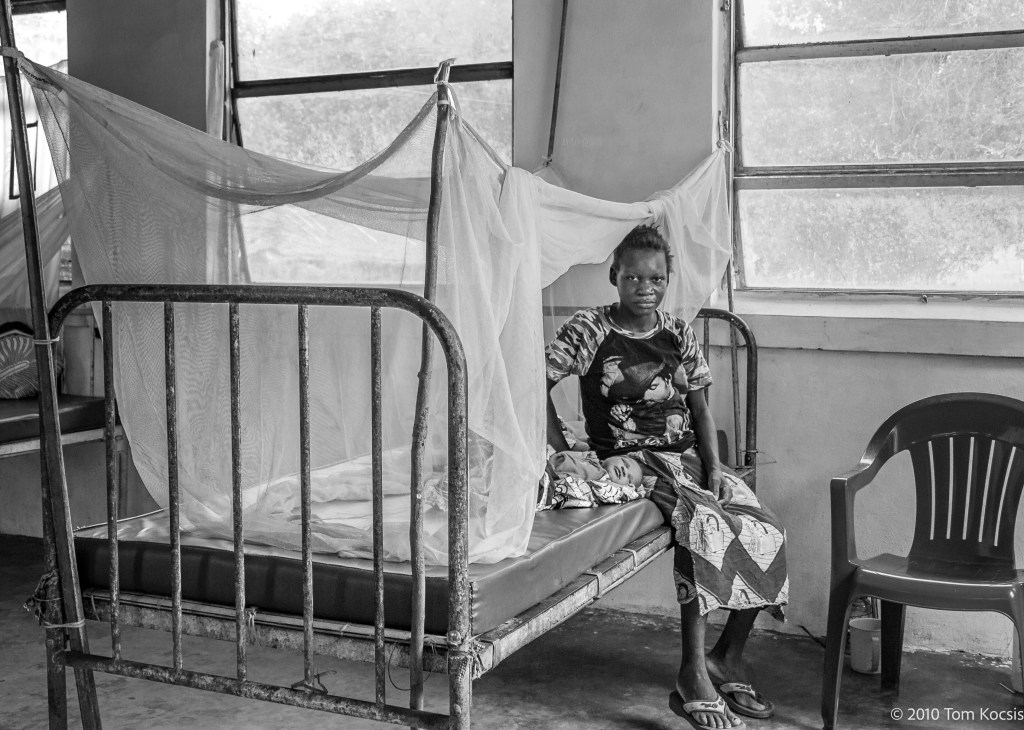
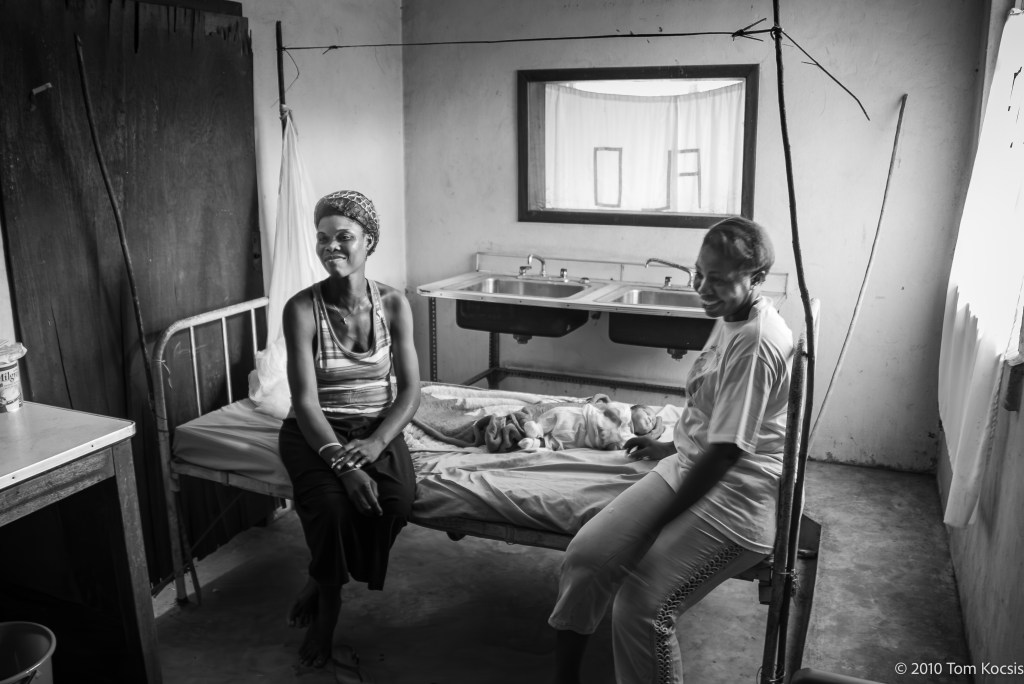
The next day, we visited the local clinic. In the absence of other options, they performed any medical procedure, with strong emphasis on the word “any.” In my youth, I spent a couple of summers working in a surgery room as a technician assistant, witnessing some relatively complex operations. Observing this village facility, I could not help but wonder about the success rate of their interventions. The operating table had lived well beyond its intended life.
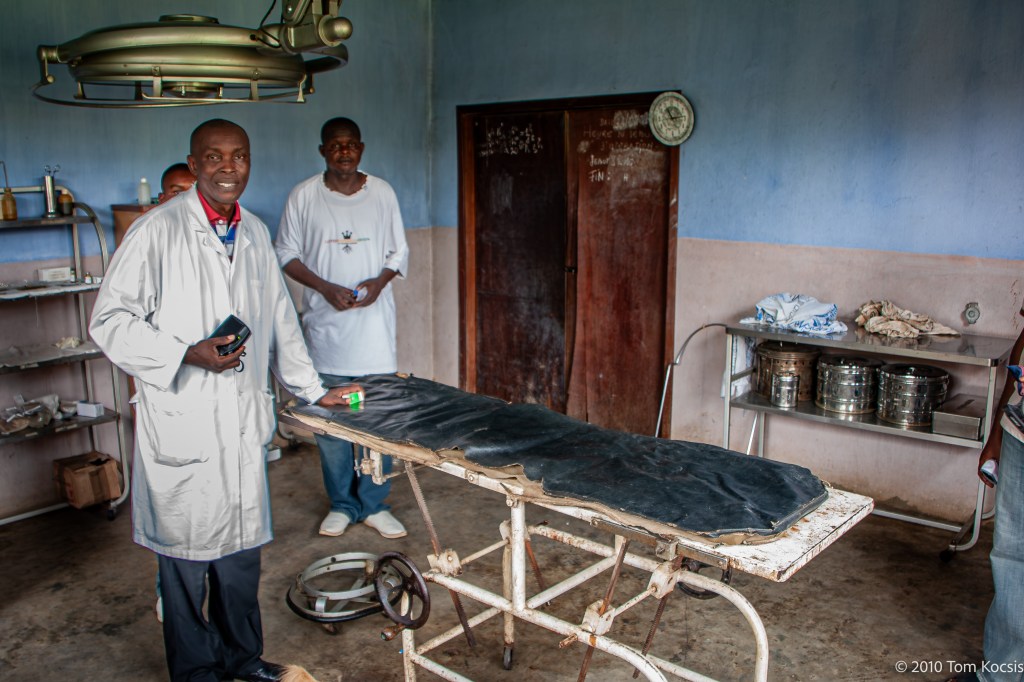
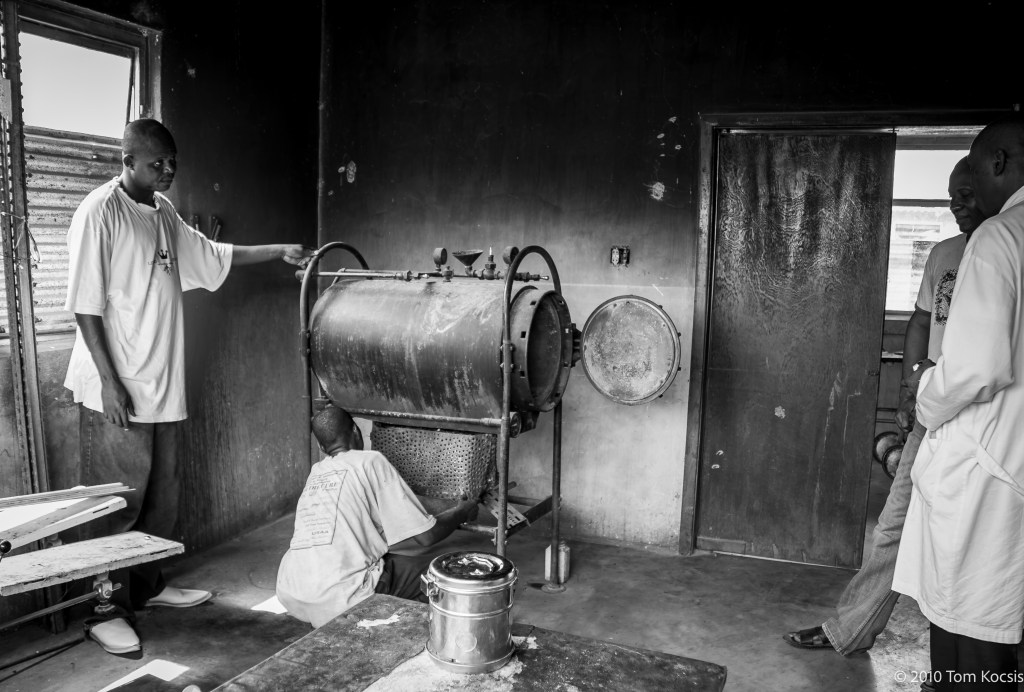
Talking about medical equipment did not make much sense, considering there was not even glass in the windows. I recognized an autoclave in the corner, which needed a small fire under it to generate the steam required for a questionable sterilization process. I recall asking about anesthesia, but I knew it was a moot point as soon as the words left my mouth. A strong enough stick between the teeth was doing the job.
Going further into the forest the following days, the visit to the next village brought even more emotion. As if the singing, dancing, and laughter of the welcoming committee had not already overwhelmed us, the women laid their colorful cloths on the ground, forming a village red carpet reception as they ushered us into the center.
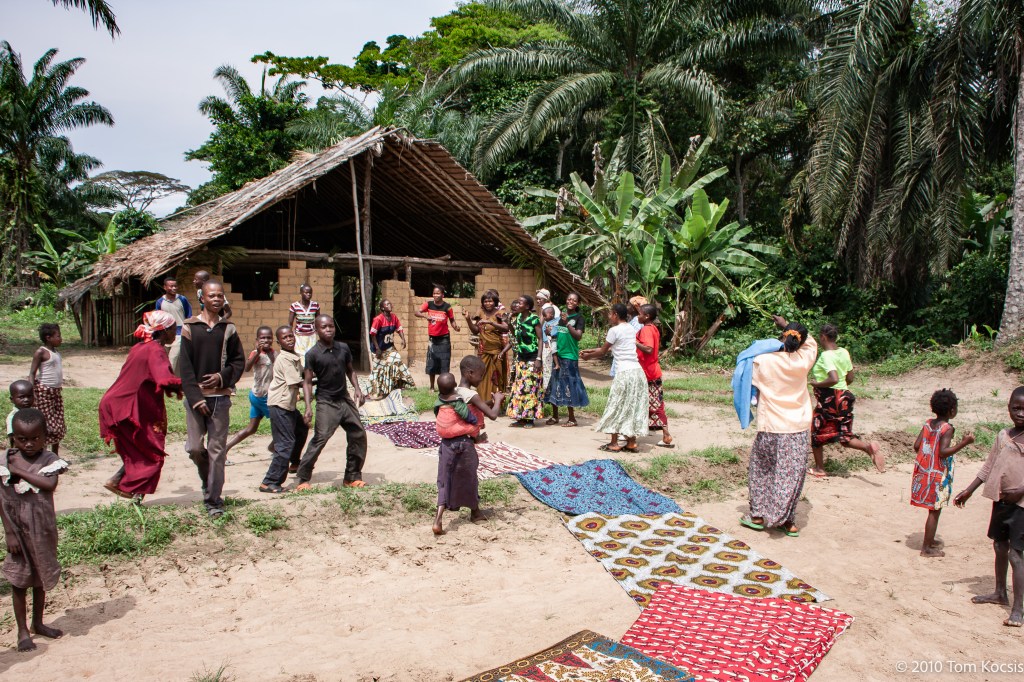
The local communities deep in the equatorial forest of one of the poorest countries in the world represent the bottom of that often-mentioned economic pyramid. However, there are those who don’t even make it into the pyramid. These are the Indigenous forest communities, squeezed out to the perimeters of the smallest villages, only hoping to be upgraded one day to second-class citizens. Support and access to basic services are very scarce.
I assisted them with developing a simple Excel loan tracking system for their solidarity banking groups. Women combine their individual savings, with records securely locked in a box, and lend out the sum to one of the members of their group. Once repaid, the process is repeated, but now to another member, and around it goes. It is a very basic yet effective and proven form of circular economy on a micro scale.
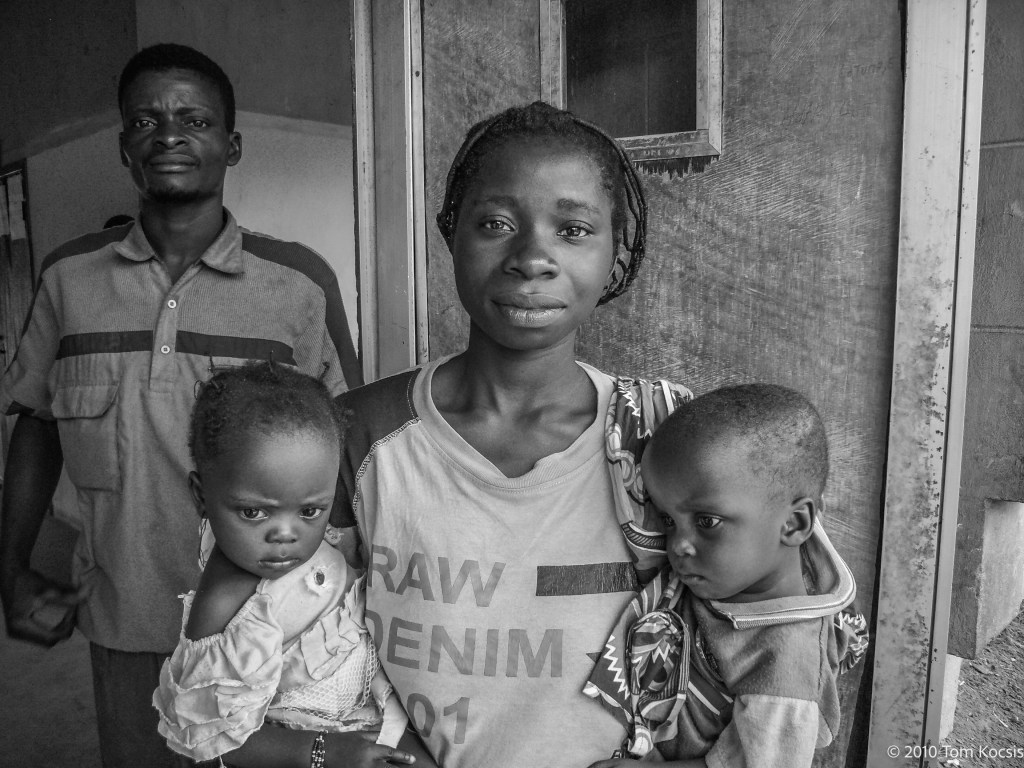
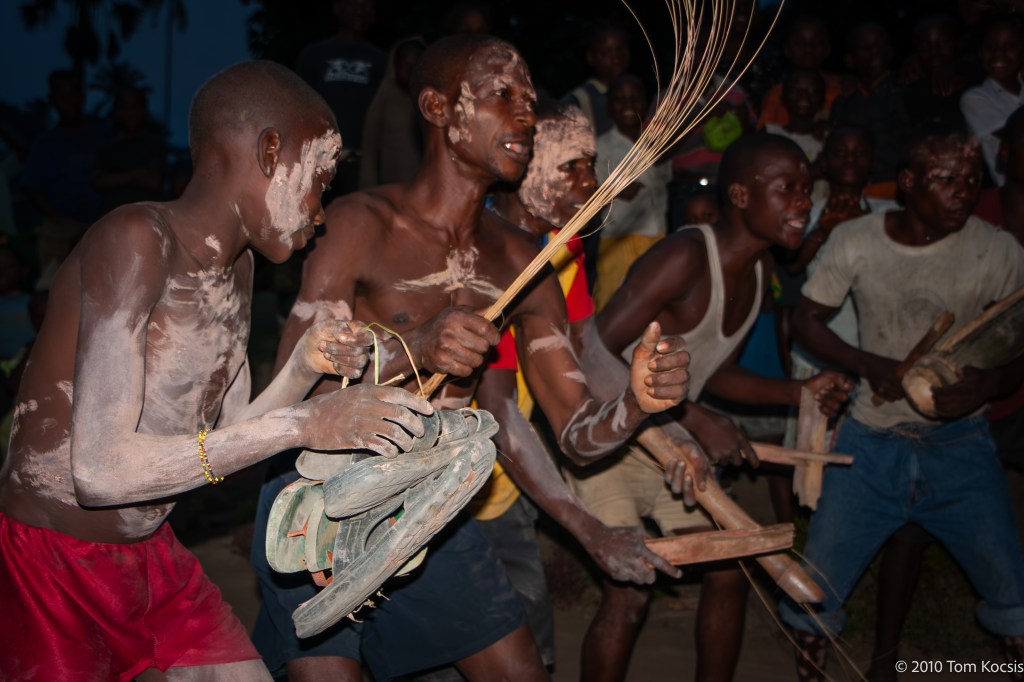
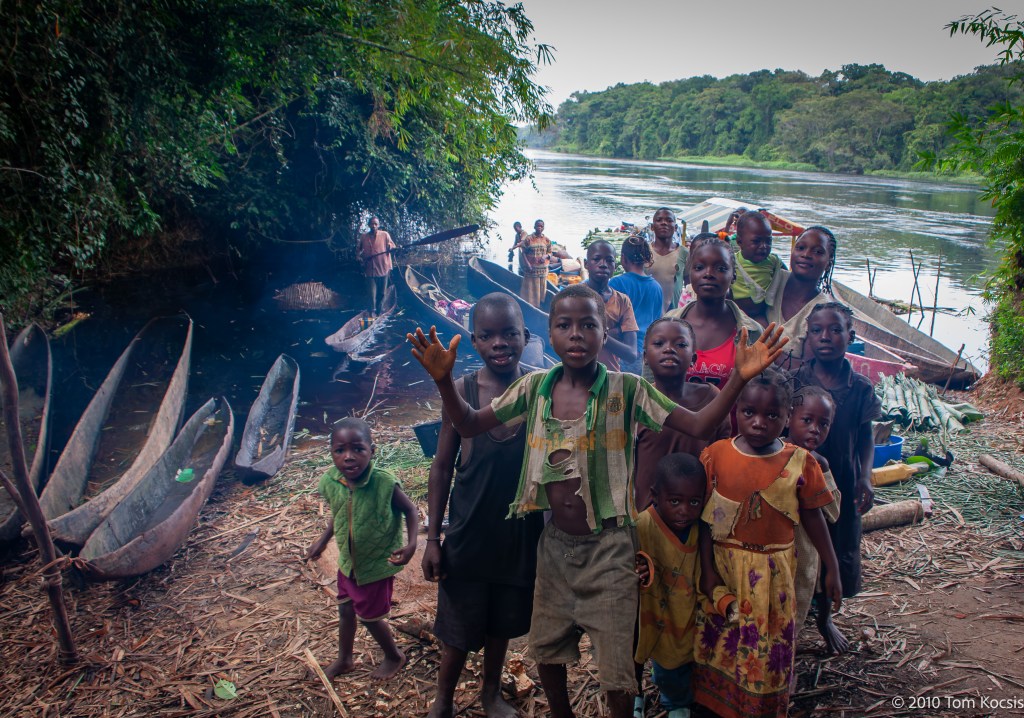
Our time passed. On the return trip, our boat cruised downriver effortlessly, powered by the mighty river. The little two-stroke certainly appreciated the help and we reached our equatorial town in much shorter time. Mbandaka is normally connected to the nation’s capital with somewhat regular domestic flights. However, the concept of “regularity” has a very loose interpretation in the Congo.
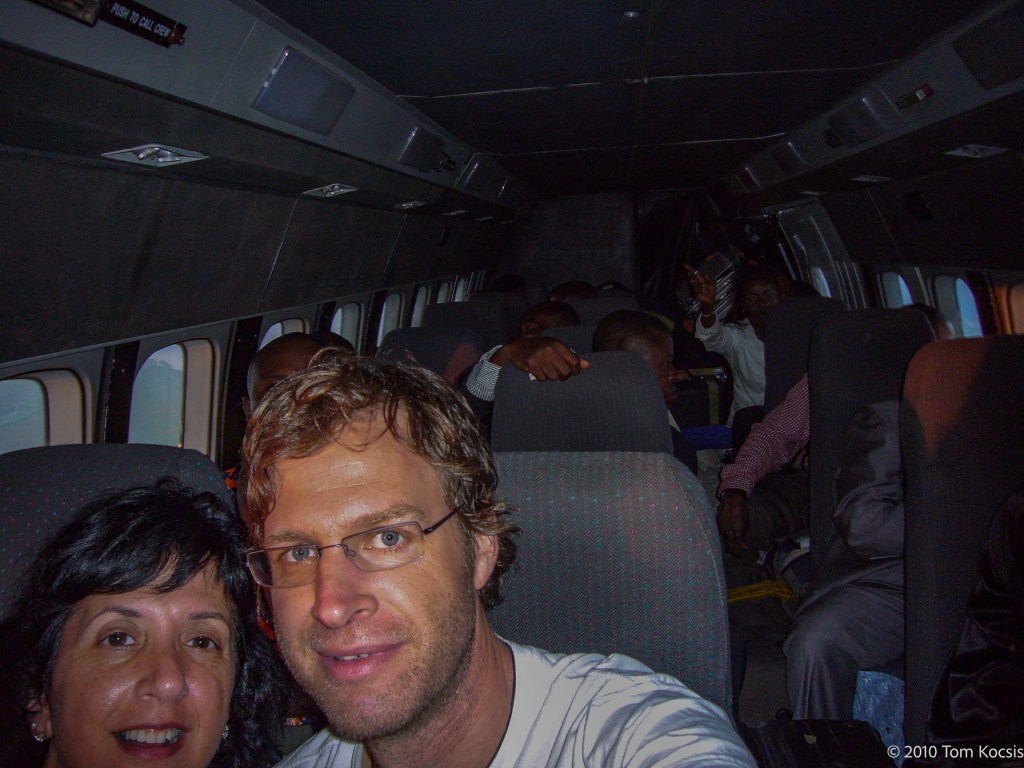
While we were away, the airline we had traveled with crashed one of its airplanes and was suspended by the local aviation authority. Rebooking was an unknown practice. We were able to find a couple of seats on an old Russian plane that probably should have been decommissioned before I was born. Nevertheless, it was still flying and, assisted by lots of prayers, somehow managed to stay in the air. At least for our journey. With luggage between the seats, livestock and other creatures behind a curtain in the cabin, we all made it. The comfort was only elevated by the pilot opening the windows midair to exchange some of the stench for fresh air.
“No worry, we are not flying that high,” he comforted us with his heavy Russian accent.
Having our luggage covered in bird poop was not even an inconvenience. It was definitely not an everyday tourist trip, but somewhere between the river, the red carpet of cloths, the clinic, the chickens, and our soiled backpacks, the experience of human connection found a permanent place in our memories.